PIANO® vs SMOOTH® Mode: How Dual-Wavelength Lasers Sculpt Fat and Tighten Skin
New Age Hamilton | January 9, 2026
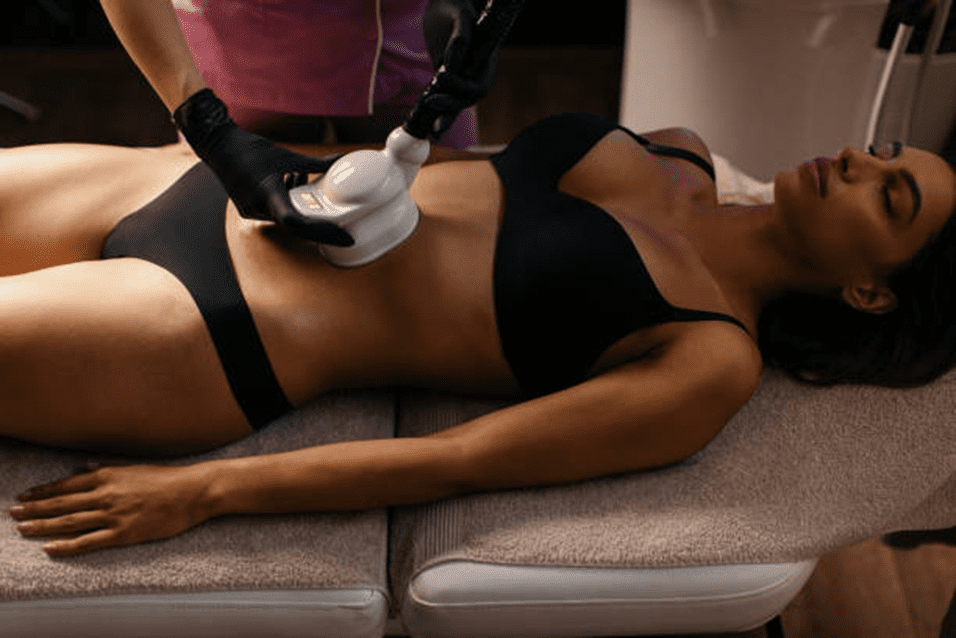
Non-surgical body contouring has evolved rapidly, moving beyond single-purpose devices toward technologies that address both fat reduction and skin laxity in a single treatment protocol. Among these, PIANO® vs SMOOTH® mode stands out as a clinically relevant comparison within dual wavelength laser body sculpting systems. These two modes, delivered through Fotona laser body sculpting platforms, are designed to work at different tissue depths to support measurable, gradual changes in body contour and skin firmness.
At New Age Laser, education around laser technologies is a priority. Understanding how PIANO® and SMOOTH® modes function helps patients make informed decisions about non-surgical laser body sculpting without unrealistic expectations or marketing-driven claims. This article provides a detailed, evidence-based overview of both modes, how they differ, and how they are often combined within Fotona TightSculpting® technology protocols.
Understanding Dual-Wavelength Laser Body Sculpting
What Does Dual-Wavelength Mean?
Dual-wavelength laser systems use two distinct laser types, most commonly Nd:YAG and Er:YAG, to target different tissue layers. This approach allows clinicians to address fat and skin in a complementary manner rather than relying on a single thermal effect.
In the context of Nd:YAG vs Er:YAG laser body contouring, each wavelength has unique absorption characteristics:
- Nd:YAG penetrates deeper into tissue and is primarily used for controlled heating of subcutaneous fat.
- Er:YAG is absorbed more superficially, making it suitable for precise thermal stimulation of the dermis.
This layered approach is what enables laser skin tightening and fat reduction to occur within the same treatment plan.
Why Dual-Wavelength Matters for Outcomes
Single-wavelength systems may reduce fat or tighten skin, but rarely both with equal effectiveness. Dual-wavelength platforms are designed to:
- Address adipose tissue volume
- Stimulate collagen remodeling
- Improve skin texture and firmness over time
This distinction is important when comparing PIANO® vs SMOOTH® mode, as each mode leverages a different wavelength and mechanism of action.
What Is PIANO® Mode?
How PIANO® Mode Works
PIANO® laser fat reduction uses a long-pulse Nd:YAG laser to deliver gradual, bulk heating to deeper tissue layers. The energy is applied in a controlled manner to raise the temperature of subcutaneous fat while keeping the epidermis protected.
This process is not designed for rapid fat loss. Instead, it supports:
- Gradual adipocyte disruption
- Metabolic clearance of damaged fat cells
- Subtle contour changes over multiple sessions
Tissue Depth and Thermal Profile
PIANO® mode is characterized by:
- Deep penetration
- Uniform heat distribution
- Lower peak temperatures compared to ablative treatments
This makes it suitable for areas where fat reduction is the primary concern, such as the abdomen, flanks, thighs, or upper arms.
Clinical Role of PIANO® Mode
Within Fotona TightSculpting® technology, PIANO® mode is typically used as the first step. Its role is to prepare deeper tissues before surface-level skin tightening is performed.
At New Age Laser, clinicians often explain that PIANO® mode addresses volume, not surface texture. Understanding this distinction is key when comparing PIANO® vs SMOOTH® mode outcomes.
What Is SMOOTH® Mode?
How SMOOTH® Mode Works
SMOOTH® laser skin tightening uses Er:YAG laser energy delivered in a non-ablative, controlled heating pattern. Rather than removing tissue, it gently heats the dermis to stimulate collagen contraction and remodeling.
This process supports:
- Improved skin firmness
- Smoother texture
- Gradual tightening over time
Precision and Surface Control
SMOOTH® mode operates at a shallower depth than PIANO® mode. Its thermal effect is localized to the dermal layer, making it particularly relevant for patients concerned about skin laxity following fat reduction.
Clinical Role of SMOOTH® Mode
When discussing PIANO® vs SMOOTH® mode, it is important to note that SMOOTH® mode does not target fat cells directly. Instead, it complements fat reduction by addressing skin quality.
In non-surgical laser body sculpting, this combination approach helps reduce the risk of loose or uneven skin appearance after volume changes.
Nd:YAG vs Er:YAG Laser Body Contouring Explained
Nd:YAG in Body Sculpting
Nd:YAG lasers are valued for their depth of penetration and safety profile when used correctly. In Fotona laser body sculpting, Nd:YAG energy supports fat reduction without damaging surrounding structures.
Er:YAG in Skin Tightening
Er:YAG lasers are known for precision and controlled absorption. In SMOOTH® mode, this allows for consistent dermal heating without ablation, supporting collagen remodeling.
Why Both Are Used Together
Combining Nd:YAG and Er:YAG wavelengths allows clinicians to address multiple layers of tissue in a structured way. This is the foundation of dual wavelength laser body sculpting and the reason protocols often include both PIANO® and SMOOTH® modes.
Fotona TightSculpting® Technology Overview
Fotona TightSculpting® technology is a trademarked protocol that integrates PIANO® and SMOOTH® modes into a single treatment session. Rather than offering isolated treatments, this approach emphasizes synergy between fat reduction and skin tightening.
Step-by-Step Treatment Concept
- PIANO® mode is applied to target subcutaneous fat.
- SMOOTH® mode follows to stimulate dermal collagen.
- Treatments are repeated over several sessions for gradual results.
At New Age Laser, this protocol is discussed in detail during consultations to ensure realistic expectations and individualized planning. Additional information is available through the dedicated body sculpting service section on the New Age Laser website.
Who May Be a Candidate for Non-Surgical Laser Body Sculpting?
General Eligibility Considerations
Candidates for non-surgical laser body sculpting typically include individuals who:
- Are near their stable body weight
- Have localized fat deposits
- Experience mild to moderate skin laxity
These treatments are not intended for weight loss or obesity management.
Importance of Consultation
Because PIANO® vs SMOOTH® mode targets different tissue layers, treatment plans vary. A professional consultation helps determine whether fat reduction, skin tightening, or both are appropriate.
At New Age Laser, patient education is emphasized to align treatment goals with physiological realities.
Safety, Comfort, and Recovery
- Treatment Sensation: Most patients describe PIANO® mode as a warming sensation and SMOOTH® mode as mild heat. Cooling systems are typically used to enhance comfort.
- Downtime and Aftercare: One of the advantages of laser skin tightening and fat reduction is minimal downtime. Patients generally resume daily activities immediately, with standard aftercare guidance provided by the clinic.
- Evidence-Based Expectations: Results develop gradually over weeks to months. This timeline reflects natural metabolic and collagen remodeling processes rather than immediate cosmetic changes.
How PIANO® and SMOOTH® Fit into a Long-Term Body Care Plan
Laser-based contouring should be viewed as part of a broader wellness and body care strategy. Maintenance treatments, healthy lifestyle choices, and realistic expectations all influence outcomes.
Educational resources on treatment planning and technology comparisons are available through the New Age Laser blog, which regularly publishes clinically focused articles.
If you are exploring non-surgical options for body contouring and skin tightening, review the educational resources available through New Age Laser and consider scheduling a professional consultation to discuss whether PIANO® and SMOOTH® modes may be appropriate for your goals.
Conclusion
Understanding PIANO® vs SMOOTH® mode is essential for anyone considering dual wavelength laser body sculpting. Rather than competing technologies, these modes work together to address fat and skin at different tissue levels. Through Fotona laser body sculpting and Fotona TightSculpting® technology, clinicians can design structured, evidence-based treatment plans.
At New Age Laser, the focus remains on education, safety, and realistic outcomes. By learning how Nd:YAG and Er:YAG lasers function within body contouring protocols, patients are better equipped to make informed decisions about their care.
Frequently Asked Questions
Is PIANO® mode better than SMOOTH® mode?
Neither mode is better in isolation. PIANO® vs SMOOTH® mode represents different functions within a combined treatment strategy.
How many sessions are usually required?
Treatment plans vary, but multiple sessions are typically recommended to support gradual fat reduction and collagen remodeling.
Are results permanent?
Fat cells affected by PIANO® mode do not regenerate, but overall results depend on lifestyle factors and aging processes.
Can these treatments replace surgery?
No. Non-surgical laser body sculpting is intended for mild to moderate concerns and does not replace surgical procedures.
Is Fotona TightSculpting® technology safe?
When performed by trained professionals, it has an established safety profile supported by clinical use.